Everyday routines
What to Pack for Daycare in Bangalore
Pack enough for comfort and routine without sending a bag full of items your child will not use.
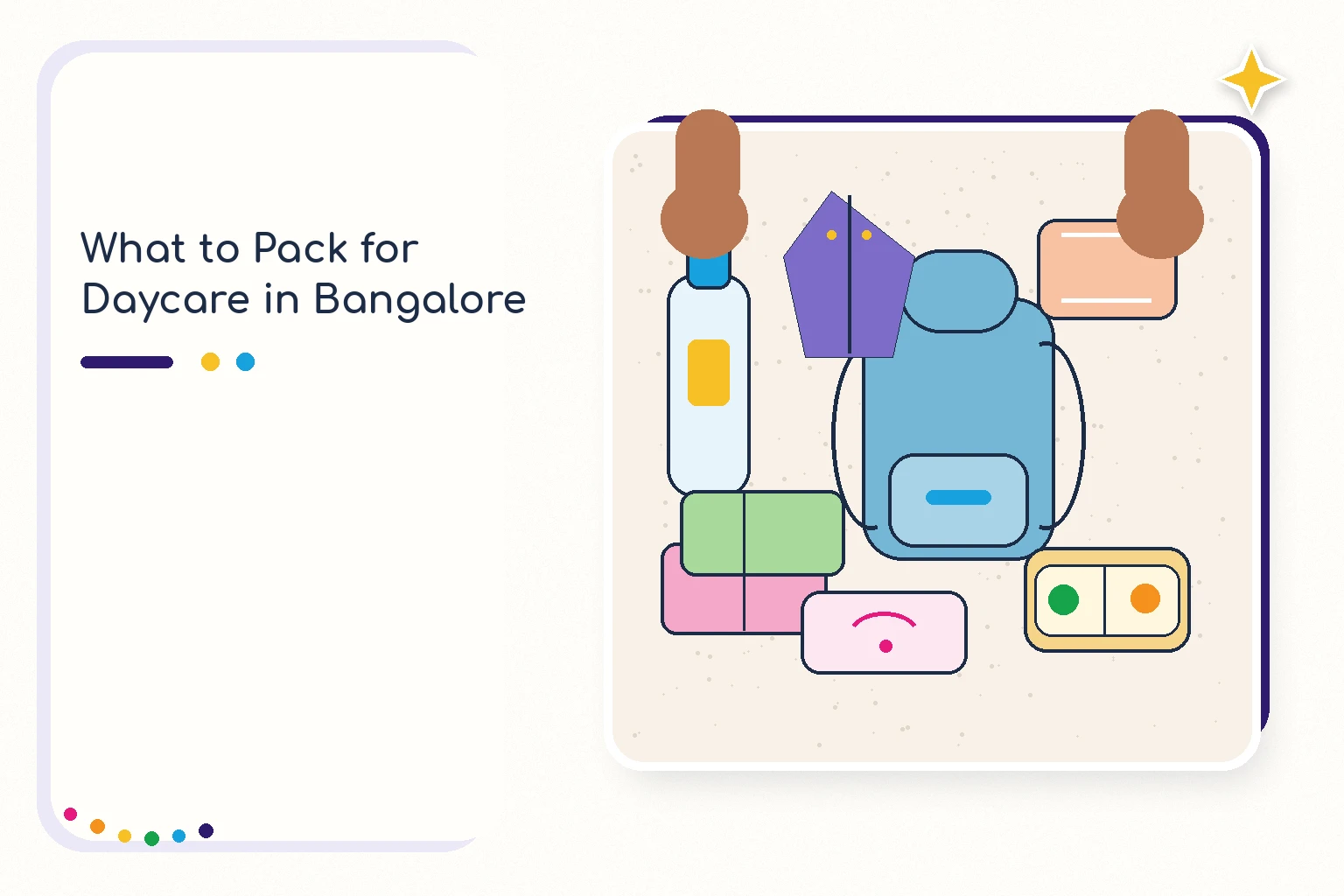
A well-packed daycare bag makes ordinary spills, weather changes, meals and rest easier to manage. The goal is not to prepare for every possible emergency. It is to send the specific items your child is likely to use, in a form that caregivers can identify quickly.
Always begin with your daycare’s own list. Food, bedding, diapers and storage practices vary, so this guide is a practical starting point rather than a universal rule.
Label everything
Children often own similar bottles, boxes, towels and clothes.
Label each item with:
- Child’s name
- Class or group, if requested
- Date for prepared food or expressed milk, following the centre’s instructions
Use labels that remain readable after washing. Check them periodically, especially on frequently handled items.
Avoid sending valuable jewellery, expensive toys or items that would be difficult to replace.
Everyday clothing
Pack at least one complete change of clothing. Younger children or children still learning toileting may need more.
Include:
- Top
- Bottom
- Underwear or diaper
- Socks, if used
- A light layer for cooler indoor conditions
- A separate bag for wet or soiled clothes
Bangalore weather can move from warm to wet quickly. Choose comfortable, easy-to-change clothes rather than complicated fastenings.
During the monsoon, consider:
- An additional dry set
- Rain protection for the journey
- Footwear that can be managed safely
- A clearly labelled bag for wet items
Ask the centre whether outdoor shoes, indoor footwear or bare feet are preferred in different areas.
For infants
The daycare may ask for:
- Diapers
- Wipes
- Diaper-rash product, with written instructions if accepted
- Feeding bottles
- Formula or expressed milk according to the centre’s handling rules
- Bibs
- Burp cloths
- Two or more clothing changes
- A sleep sack or approved comfort item
Do not send medicine in the bag without speaking directly to the daycare and following its medication policy.
Share feeding intervals, allergies, sleep cues and recent changes with the caregiver. Written information is easier to follow than a hurried handover.
For toddlers
Useful items may include:
- Change of clothes
- Extra underwear or diapers
- Wipes
- Water bottle
- Meal or snack containers, if food comes from home
- Small towel or handkerchief, if requested
- Familiar comfort item for rest
- Sun hat for outdoor activity, if requested
Choose containers that your child and the caregiver can open safely. Avoid glass unless the centre specifically permits it.
If toilet learning is in progress, discuss the same words and routine used at home. Send enough easy-to-remove clothing for accidents without making the child feel that accidents are a crisis.
For preschool-age children
The daily bag may be simpler:
- Water bottle
- Meal or snack box if required
- One change of clothes
- Small towel or handkerchief if requested
- Any school-specific folder or activity item
Do not add worksheets, toys or stationery unless the centre asks for them. Extra possessions can create distraction and mix-ups.
Food and water
First confirm what the daycare provides.
Ask:
- Are meals and snacks included?
- What may be sent from home?
- Are there allergy restrictions?
- How should containers be labelled?
- Can food be refrigerated or warmed?
- Which foods are unsuitable for the group?
- How are unfinished meals recorded or returned?
Pack age-appropriate food your child can manage. Avoid introducing an entirely new food through daycare without discussing it.
Tender Moments Hebbal explains its meal and snack routine, menu approach, allergy handling and food-from-home process during the school visit.
Rest and comfort
Some centres provide bedding; others ask families to send specific items.
Confirm whether your child needs:
- Sheet
- Light blanket
- Sleep sack
- Small pillow, if age-appropriate and permitted
- Comfort cloth or soft toy
Send only items allowed by the centre’s safe-sleep and hygiene practices. For infants, follow the daycare’s safe-sleep policy rather than general packing lists found online.
Information caregivers need
The most important thing in the bag may be accurate information.
Keep the centre updated about:
- Emergency contacts
- Authorised pickup people
- Allergies
- Health changes
- Feeding requirements
- Toileting stage
- Comfort methods
- Any item sent for a specific reason
Tell the caregiver when something unusual is packed instead of assuming they will discover it.
A five-minute evening reset
Each evening:
- Remove wet or used items.
- Wash bottles and containers.
- Replace clothing and diapers.
- Check labels.
- Read messages from the centre.
- Repack only what is required.
Keeping duplicate basics ready at home can reduce the morning rush. During a child’s first week, a predictable evening reset also protects the morning routine.
What parents can do today
Ask your daycare for its official packing list and storage rules. Create a small permanent checklist near the door with only the five or six things that must travel each day.