Choosing care
Montessori vs Traditional Preschool: What Parents Should Know
A clear, parent-friendly comparison of two common preschool approaches—and the questions that matter more than the label.
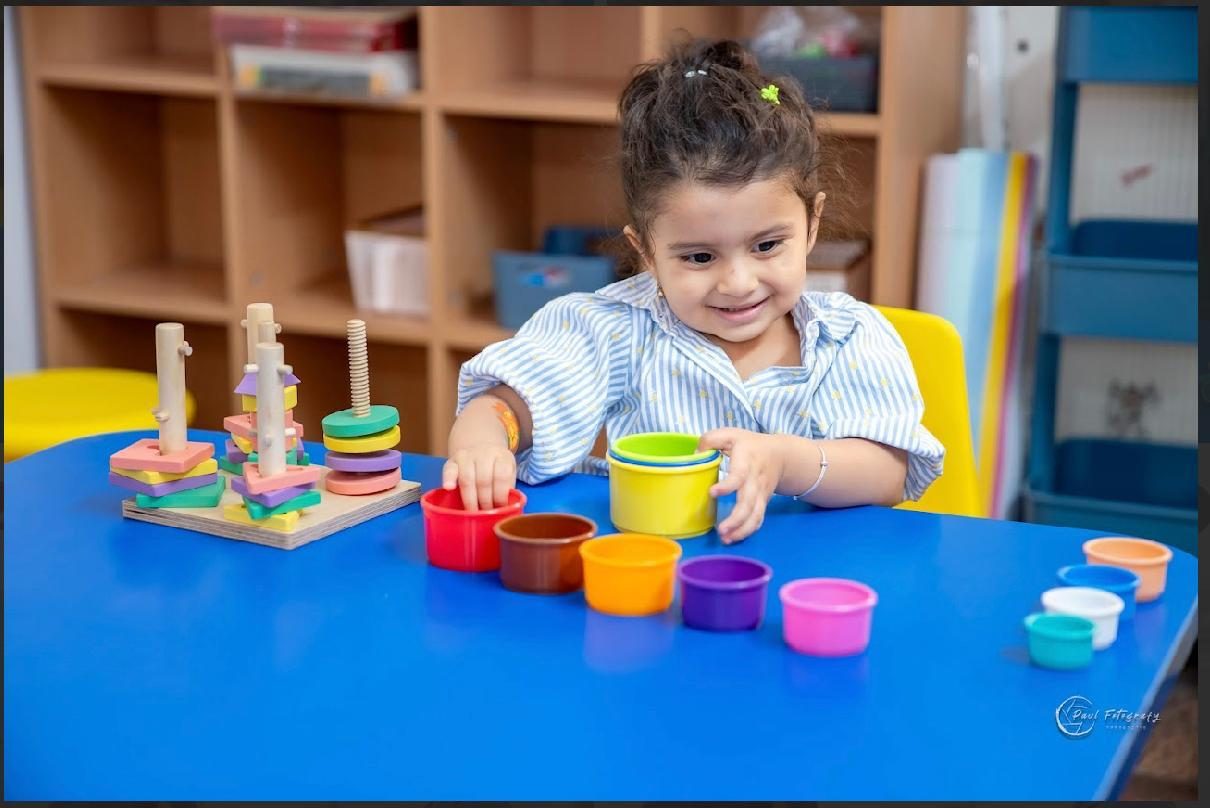
Montessori classrooms emphasise hands-on materials, independence, orderly choice and sustained activity. Traditional preschools often use more teacher-led group activities and a shared timetable. Neither label guarantees quality. What matters most is how teachers interact with children, how the day actually works and whether the environment suits your child.
How does Montessori learning work?
In a Montessori environment, children usually choose from carefully presented activities and repeat them until they gain confidence. Materials are designed to focus attention on one idea, such as matching shapes, grading size, transferring objects or building early number sense.
The adult observes, demonstrates precisely and introduces a new challenge when the child appears ready. Independence grows through real actions: carrying a tray, returning work, pouring water, cleaning a small spill and waiting for a turn.
How may a traditional preschool work?
A traditional preschool may organise children by age and move the group together through circle time, stories, songs, themes, craft, movement and early academic practice. Strong programmes still include play, conversation and responsive teaching. The phrase “traditional preschool” covers many different classrooms, so ask to see the real timetable.
What should parents compare?
- How much time children spend choosing, playing and moving
- Whether activities are hands-on or mainly worksheet-based
- How teachers respond to mistakes, hesitation and strong emotions
- How language, friendships and outdoor movement are supported
- How progress is observed and shared with families
- Whether the routine fits your child’s pace and temperament
Observe whether children look engaged rather than merely compliant. Ask what happens when a child refuses an activity, repeats the same work or needs more challenge. These answers reveal more than the programme name.
Frequently asked questions
Does Montessori mean children can do anything they want?
No. Choice happens within clear limits, prepared activities and respectful classroom routines.
Does Montessori prepare children for school?
A well-run programme can build concentration, coordination, language, number sense and independence. Ask how the centre supports the transition to the child’s next school stage.
Are worksheets necessary in preschool?
Young children learn deeply through conversation, play, movement and concrete materials. Occasional paper work should not replace those experiences.
What parents can do today
Visit at least one classroom in each style. Write down what children do, what adults do and how your own child responds before comparing labels.